

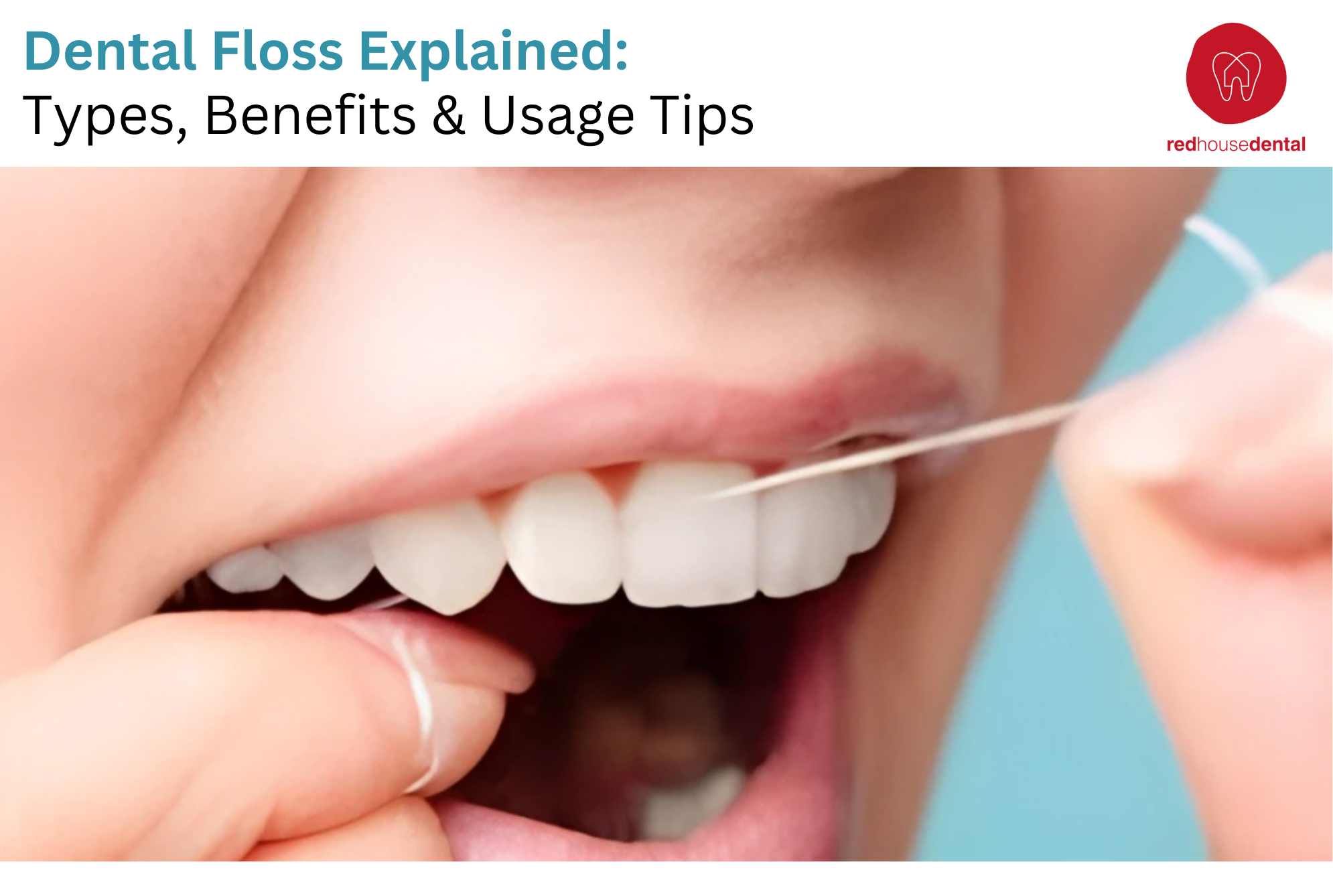
Maintaining a healthy and beautiful smile requires more than simply brushing your teeth each day. One of the least understood factors that affect your oral health is the habit of flossing. Many don’t floss because they believe they brushing their teeth regularly is enough, or they are not aware of the kind of floss they should use. However, flossing plays a vital role in preventing gum decay as well as bad breath. This guide will explain everything you should be aware of the importance of flossing your teeth and the reasons why it’s so important as well as the many floss types and the best ways to apply them correctly.
Why Flossing Is So Important
While you scrub your teeth, you can to clean the surfaces the bristles of your toothbrush can reach. There are tiny spaces between your teeth as well as below your gumline, which is where bacteria, food and plaque particles could be kept in the back of your mouth. These gaps are thought to comprise about one third of the surface of your teeth. The floss you use for your teeth is made to penetrate these spaces to remove plaque effectively.
When you do not floss regularly, plaque can start to accumulate inside your teeth. As time passes, the plaque will begin to form tartar that’s harder to remove, and may cause bleeding gums, tooth inflammation, dental cavity and eventually gingivitis. Flossing your mouth on a regular basis can assist in preventing issues before the symptoms appear and also help keep your mouth healthy. mouth in general.
Understanding Dental Floss
Dental Floss is a thin, flexible thread that slides between teeth and rid of any particles that toothbrushes are unable to reach. While it may appear simple but it’s available in various types and styles to satisfy the requirements of various people. Some floss is coated to facilitate more sliding, while others are broader for people who have greater space between their teeth. The type of floss you pick is contingent on the level of comfort you have and your dental structure.
Different Types of Dental Floss
There is a wide variety of floss that are accessible. Knowing the different kinds of floss can help you select the right one for your needs.
1. Unwaxed Floss
It’s a simple natural nylon thread that doesn’t have a covering. It’s thin and thus ideal for those with teeth that are close to each other. However, it is prone to breaking or break faster in collision with sharp edges.
2. Waxed Floss
This floss that has been waxed has an extra layer of softness which makes it more elastic and easy to slide across your tooth. It’s more sturdy than floss that hasn’t been waxed and is less prone to breaking. This floss kind is suitable for the majority people and is suggested for use in everyday life.
3. PTFE or Glide Floss
The floss is a soft, flexible, and smooth material that easily fits into tiny spaces. It is resistant to tearing and is perfect for people who have teeth that are congested or misaligned. It gives the feeling of unwinding and isn’t abrasive at any point.
4. Dental Tape
Dental floss is described as a more extensive and flat version of floss. It is comfortable on gums and appropriate for people who have more space between teeth. It can also be helpful for those who are just beginning to learn about flossing but have trouble keeping it under manage.
5. Floss Picks
Picks for floss are tiny plastic tools which have floss already threaded. They are very simple to use, particularly for those who struggle using regular floss. However, they might not be able to remove the same amount of floss between teeth due to the angle that is fixed.
6. Water Flossers
The flossers make use of the flow of water to wash the gum line. They’re an ideal option for people who wear bridges, braces or have gums that are sensitive. Although they’re efficient however they’re not as efficient when used in conjunction with floss that’s conventional.
Key Benefits of Flossing Daily
The habit of regular dental flossing is a great way to add advantages for overall dental hygiene. It helps to safeguard your gums, teeth and overall hygiene.
Removes Hidden Food Particles
Food particles often get stuck between teeth and eventually, they start to decay, which can cause bad breath and the growth of bacteria. Flossing will help to get rid of stuck particles and help keep your mouth cavity clean.
Prevents Plaque Buildup
Plaque develops immediately after the consumption of. If not removed and dried, and develops tartar it becomes more difficult to get rid of. Flossing removes plaque before it becomes increasing serious problem.
Protects Against Gum Disease
Gum diseases can be easy to diagnose without pain and is generally not the cause of discomfort. Flossing can help to eliminate germs from gums where inflammation is developing. This lowers the chance of developing gingivitis as well as a more extensive gum infections.
Reduces Tooth Decay
Most dental decay begin between teeth, and simply cleaning them isn’t enough. Flossing can help keep teeth healthy by cleaning those spaces with a great level of effectiveness.
Keeps Breath Fresh
Between your teeth, bacteria can create unpleasant smells. Flossing regularly helps keep your breath fresh by getting rid of the accumulation.
Supports a Cleaner Mouth Overall
Combining flossing with brushing your teeth can keep your mouth healthy and strong for longer. This will ensure that your mouth and gums a better health.
How to Floss Properly: Step-by-Step
Flossing using the right way can make the process easier to master and more efficient. Follow these steps to simplify it:
- Choose Your Correct Length Of Floss: Around 18-24 inches. The majority is wrapped around your middle finger of the hand. Wrap the rest around the fingers of the opposite hand.
- Make Sure You Utilize The Floss In A Proper Manner: The strength of your index and thumb to secure the floss. It is best to leave the floss in a tiny amount to use.
- Make A Gentle Movement Between Your Teeth: The floss is to be carefully placed between your teeth. Don’t take it off as this may create gum discomfort.
- Curve Using a C-Shape: If floss is near the gumline, place it on the exterior of the tooth to form the shape of a C. Move it up and down to thoroughly clean.
- Make Sure To Get A New Section Of Floss: When you get to the second tooth be sure you switch to a clean piece of floss in order to stop the transmission of the bacteria.
- Do Not Forget Those Teeth In The Back: Make sure you brush both your front teeth and the back of your mouth since they are the ones that hold the most food.
In the event that you practice regularly, flossing is quick and simple.
Common Mistakes to Avoid
Even with the most effective floss, some practices can hinder your effectiveness:
- Just flossing now and again instead of the whole day
- A significant amount of force is used, leading to injury to the gums
- The same floss
- The easiest thing to miss is smaller areas because they’re more difficult to manoeuvre.
- The process of making it happen instantly instead of taking it slowly
If you avoid these mistakes and mistakes, you’ll be able to make sure your routine of brushing is working properly.
Red House Dental: Supporting Your Smile Every Day
We at Red House Dental believe that patient education is an integral part of our efforts to improve the condition and hygiene of your mouth. Our team of dentists will assist you in determining the most effective methods for flossing and help you select the best method of flossing based on the dental space you have and your gum health, and your levels of comfort. We emphasise individualised treatment as each patient’s mouth is unique. If you’re struggling caused by braces, such as irritation or sensitivity to your gums or you’re seeking to improve your routine with regards to dental care, Red House Dental ensures that you get the knowledge and expertise required to keep your stunning, healthy smile.
Conclusion
Flossing is an easy routine that offers huge benefits. It ensures that your dental health is in good shape and helps prevent plaque build-up. It also protects your gums and improves the overall health of your mouth. With the variety of floss available, you are able to choose the type that is suitable for your personal preferences regarding dental hygiene and will help you feel comfortable most effectively. If you floss frequently and do it the right way, it will result in an improved, healthier and fresher mouth for many years to come. Make sure you are aware of the importance of flossing regularly and it’s something you can do on your own and is a necessity to maintain your teeth’s luster and strength.