

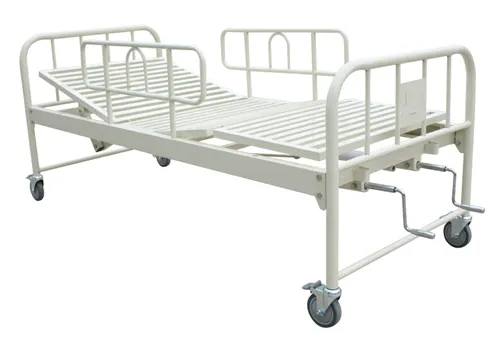
Choosing an exam bed vendor isn’t something clinics should rush, yet plenty of buyers do exactly that, grabbing the first catalog that lands in their inbox. Prices vary widely between vendors, upholstery quality differs more than expected, and some suppliers cut corners on hydraulics that patients and staff use dozens of times daily. Whether you’re outfitting a small private practice or a larger diagnostic center, understanding what separates a dependable Medical Examination Bed Supplier in Uruguay from a mediocre one saves both money and future frustration. This guide covers what actually matters when comparing options.
Check Hydraulic Mechanism Durability First
Height adjustment mechanisms take constant abuse, raised and lowered dozens of times each shift, sometimes hundreds across a busy week. Cheap hydraulics fail within a year, leaving staff stuck manually cranking or, worse, unable to adjust the bed at all mid-examination. Ask suppliers directly about cycle testing data, not just marketing claims printed on a brochure somewhere. A bed that jams during a procedure isn’t just annoying; it’s a genuine safety concern nobody wants on record.
Upholstery Material Affects Patient Comfort
Vinyl quality differs enormously across manufacturers, and patients notice within seconds of sitting down, whether they say anything or not. Thin, cheap padding compresses fast and cracks along seams within months of regular use. A reliable Medical Walker Supplier in Argentina faces similar material sourcing decisions, and the logic carries over here too; ask for actual samples before committing to bulk orders. Seams matter more than color choices, honestly, even though buyers often fixate on the latter.
Weight Capacity Matters More Than Assumed
Standard exam beds often list capacity figures that sound generous on paper but fall short once you factor in dynamic movement, not just static weight. Ask for both static and dynamic capacity ratings separately, since these numbers can differ meaningfully depending on how the bed gets used. Clinics serving diverse patient populations should lean toward higher capacity models regardless of average patient size, purely as a safety buffer nobody regrets having available later.
Compare Delivery Timelines Across Vendors
Lead times swing wildly between suppliers, sometimes weeks apart for essentially the same product spec. Ask for realistic delivery estimates upfront, not the optimistic numbers salespeople quote just to close a deal quickly. Confirm whether installation support comes included or costs extra, since exam beds occasionally need assembly that untrained staff shouldn’t attempt alone. Vendors with established shipping routes across South America tend to hit fewer unexpected delays overall, generally speaking.
Look Into Warranty and Repair Support
Warranty terms reveal a lot about how confident a manufacturer feels about their own product, even when they won’t say it outright. Look for coverage extending at least two years on hydraulic components specifically, since those parts wear fastest under regular clinical use. Ask about local repair support too, since shipping a broken bed back overseas for warranty service defeats the entire purpose of buying locally in the first place, honestly speaking. Also check response times, replacement part availability, service charges, and whether warranty claims require specific maintenance records from your facility.
Confirm Cleaning and Maintenance Standards
Infection control requirements mean exam bed surfaces need frequent, sometimes harsh, cleaning chemicals applied multiple times daily without fail. Ask suppliers whether upholstery and frame materials tolerate standard disinfectants without degrading prematurely over repeated exposure. A bed that looks fine initially but discolors or cracks after a few months of proper cleaning protocol isn’t actually built for real clinical environments, no matter how good it looked in that initial showroom demo. Also, confirm cleaning instructions, recommended disinfectants, and material warranties before purchasing to avoid unexpected maintenance problems later.
Conclusion
Selecting an exam bed supplier involves weighing more factors than most buyers initially expect when walking into the decision. From hydraulic reliability to upholstery quality to realistic delivery timelines, each element shapes whether the purchase holds up well under years of daily clinical use, not just the first few months. Taking time to ask pointed questions, request real samples, and verify warranty terms carefully pays off substantially down the road. Patience during procurement, even when it feels slow, tends to prevent costly replacements and disruptions to patient care later.